Why multifamily laundry got stuck
Understanding how laundry became tied to building infrastructure, and why that's starting to change.
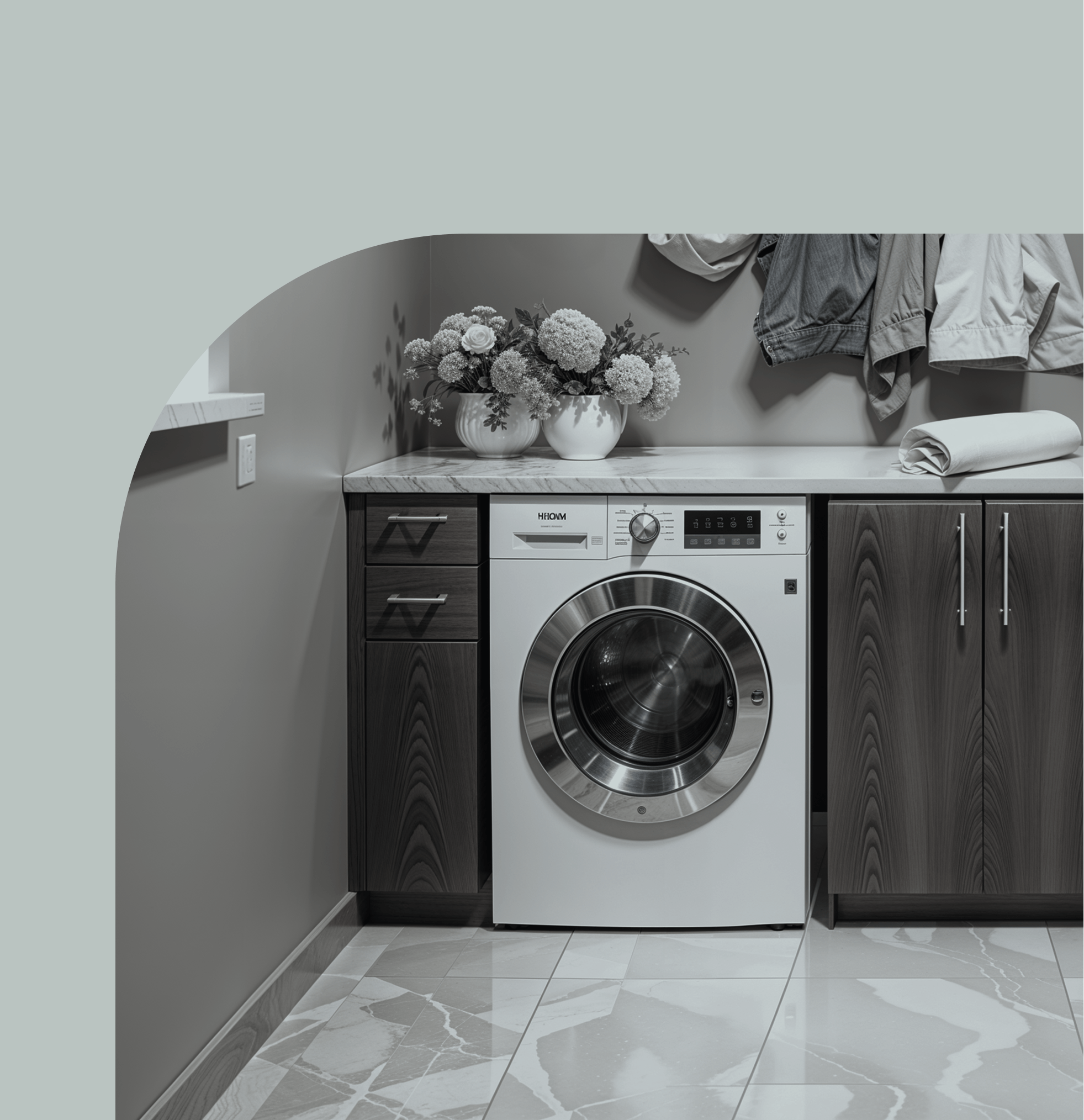
MULTIFAMILY LAUNDRY MODELS
Different structures exist, but they all come from the same starting point.
Laundry exists in nearly every residential property. However, its structure varies based on:
- When the building was developed
- How it has evolved over time
- How ownership approaches resident convenience
Across multifamily housing, most properties fall into a few familiar patterns. At first glance, these models appear distinct.
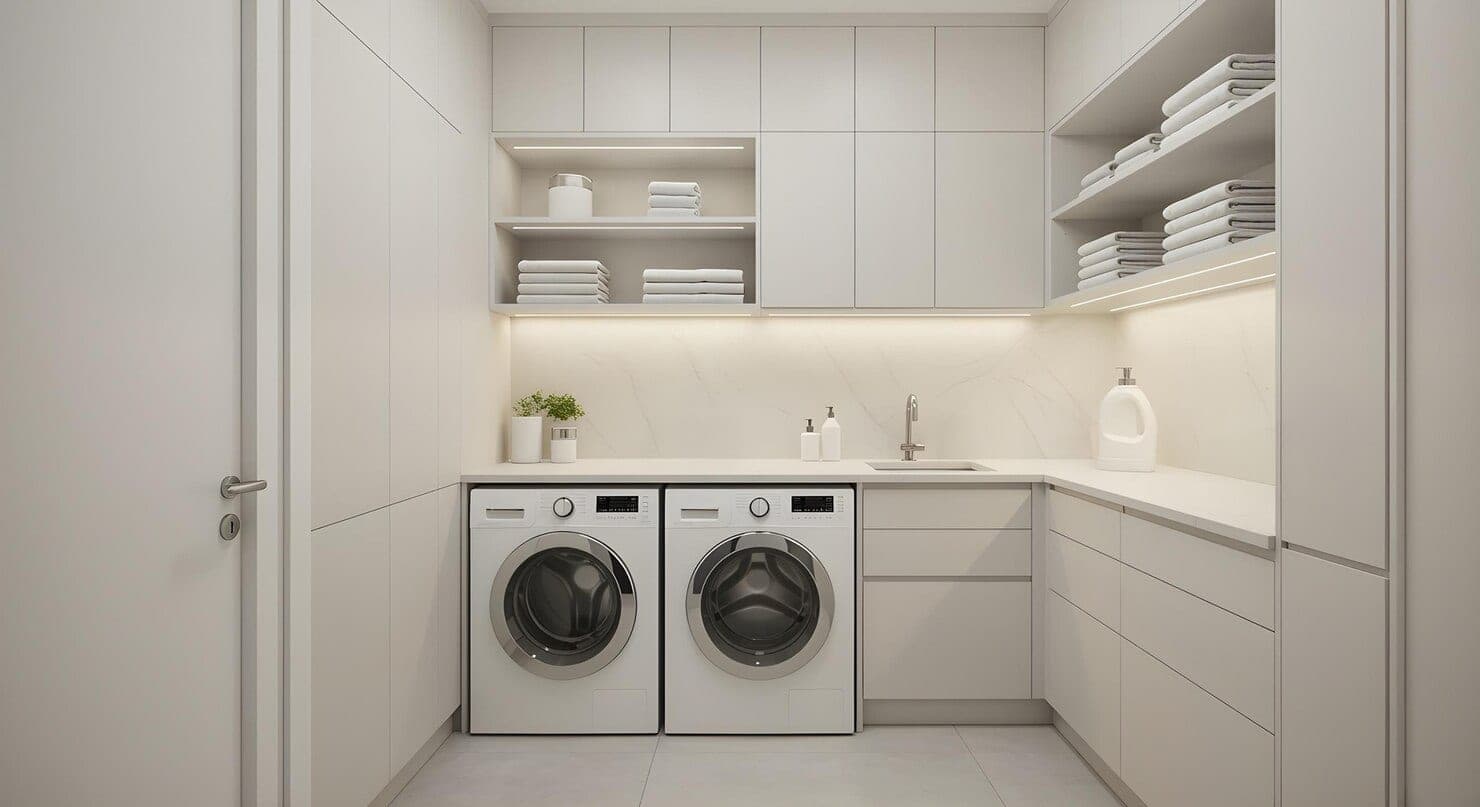
BUT THEY WERE ALL BUILT AROUND THE SAME IDEA
Laundry needed to live inside the building. As buildings changed, that idea was adapted in different ways.
- Different placements.
- Different configurations.
- Different operational approaches.
What follows are the most common waysthat idea has taken shape over time.
THE SHARED LAUNDRY ROOM MODEL
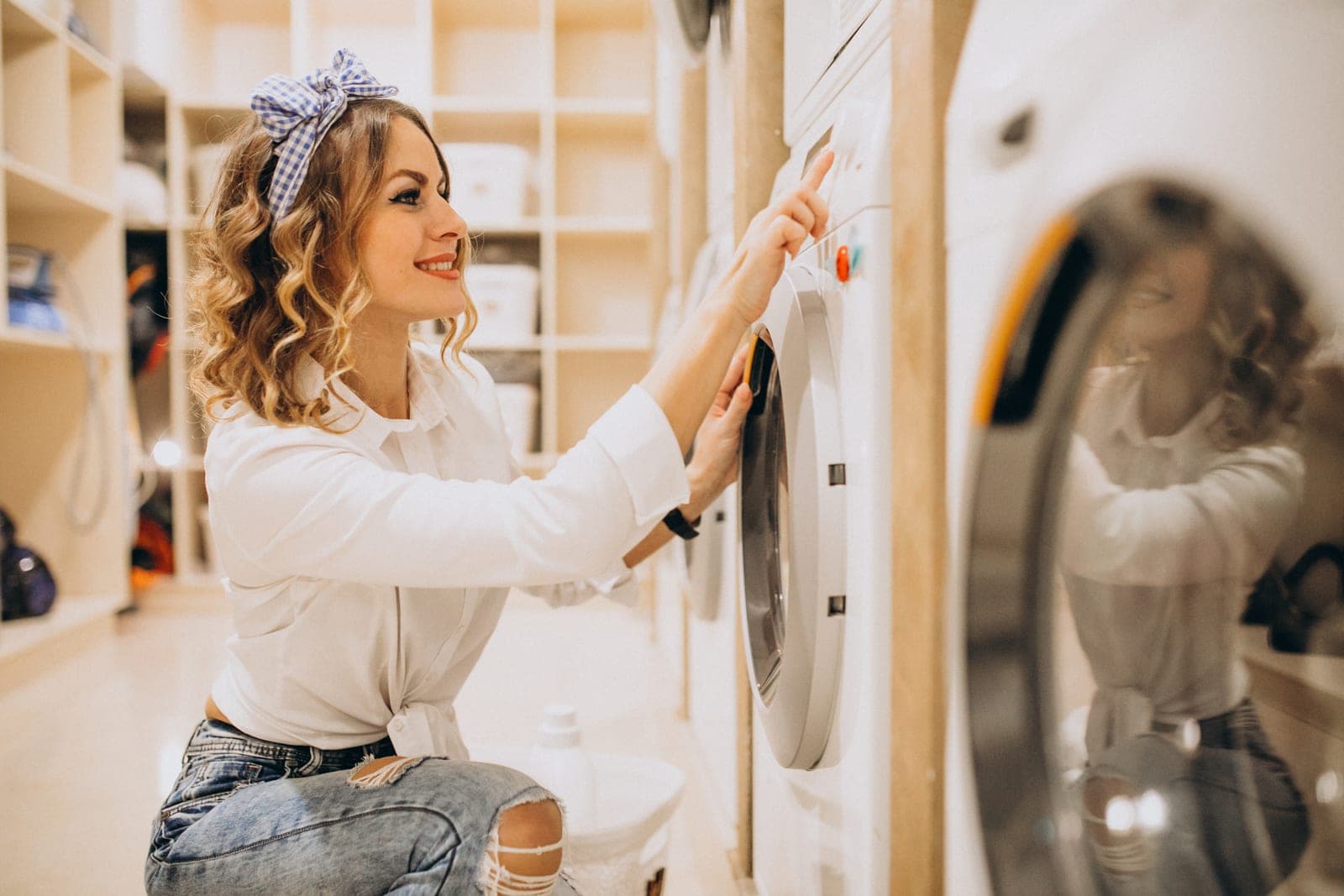
A centralized approach built around shared equipment. For many decades, the most common laundry structure in multifamily properties has been the shared laundry room. Washers and dryers in a central room, used by everyone who lives there. This model became the standard for a simple reason: It provided access without requiring equipment in every unit.
IN PRACTICE, THIS MEANS:
- Laundry is tied to a specific location inside the building
- Usage is shared across residents
- Access depends on availability
The system works. But it requires residents to adapt to it.
For property teams, this setup introduces ongoing responsibilities:
- Equipment upkeep
- Maintenance coordination
- Managing shared space
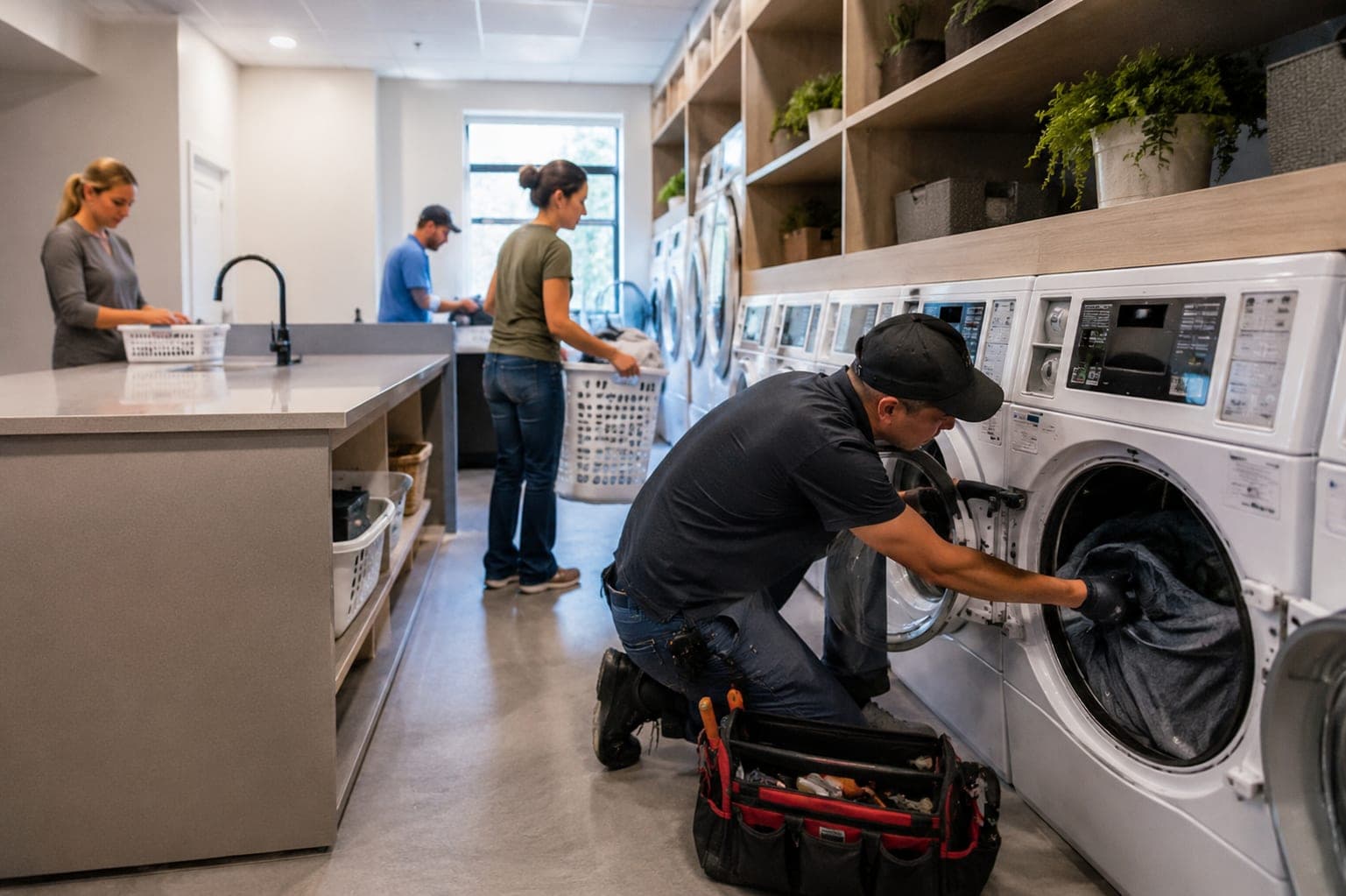
This approach remains common, especially in older communities. But as buildings evolved, new variations began to emerge.
THE IN-UNIT APPLIANCE MODEL
A convenience-driven shift that brings laundry into the unit. As newer multifamily developments emerged, many properties began installing washers and dryers directly inside each apartment. This removed the need for shared spaces and allowed residents to complete laundry within their own unit.
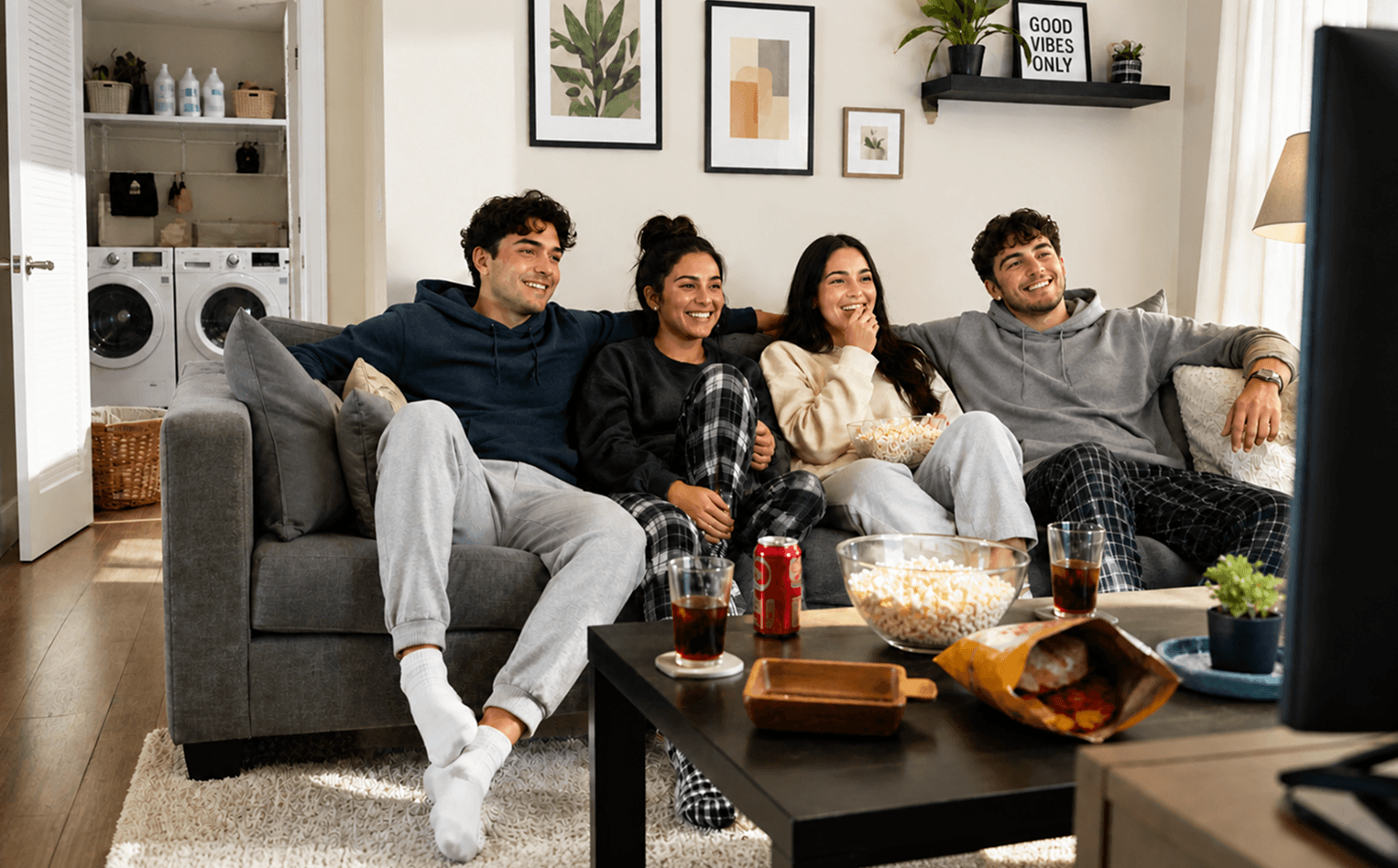
WHAT THIS CHANGES
For residents, the experience becomes:
- More private
- More flexible
- Fully within their control
Laundry now happens on their schedule without leaving the unit.
OPERATIONAL REALITY
Instead of managing machines in one location, equipment is now distributed across every unit in the building. This leads to a different kind of responsibility:
- Repairs happening across individual units
- Replacement planning spread throughout the building
- Ongoing coordination per unit instead of one shared space
Convenience increases for residents.But the system remains tied to equipment inside the building.
THE MIXED INFRASTRUCTURE MODEL
What many properties naturally become over time.
As buildings evolve, laundry systems often change in stages:
- Upgrades happen
- Renovations take place
- Different decisions are made at different times.
Over time, those changes begin to layer on top of each other:
- Some units may have in-unit machines
- Shared laundry rooms may still exist
- In some cases, residents install their own equipment.
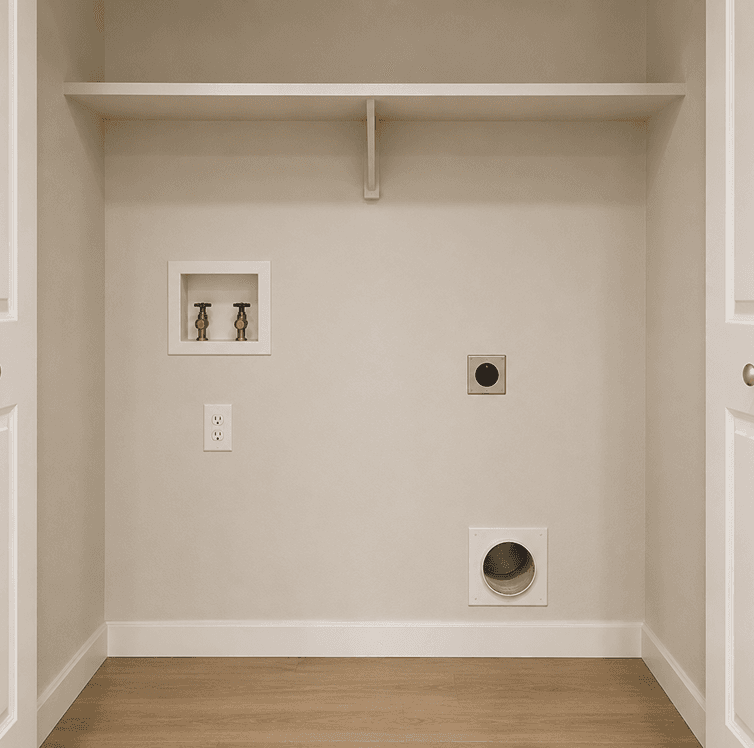
The result is a system that operates in multiple ways within the same building.
WHAT THIS CREATES
For residents, the experience can vary depending on where they live. For property teams, responsibilities become less centralized and more complex to manage.
The structure adapts over time. But it remains built around equipment inside the building.
VENDOR-MANAGED EQUIPMENT
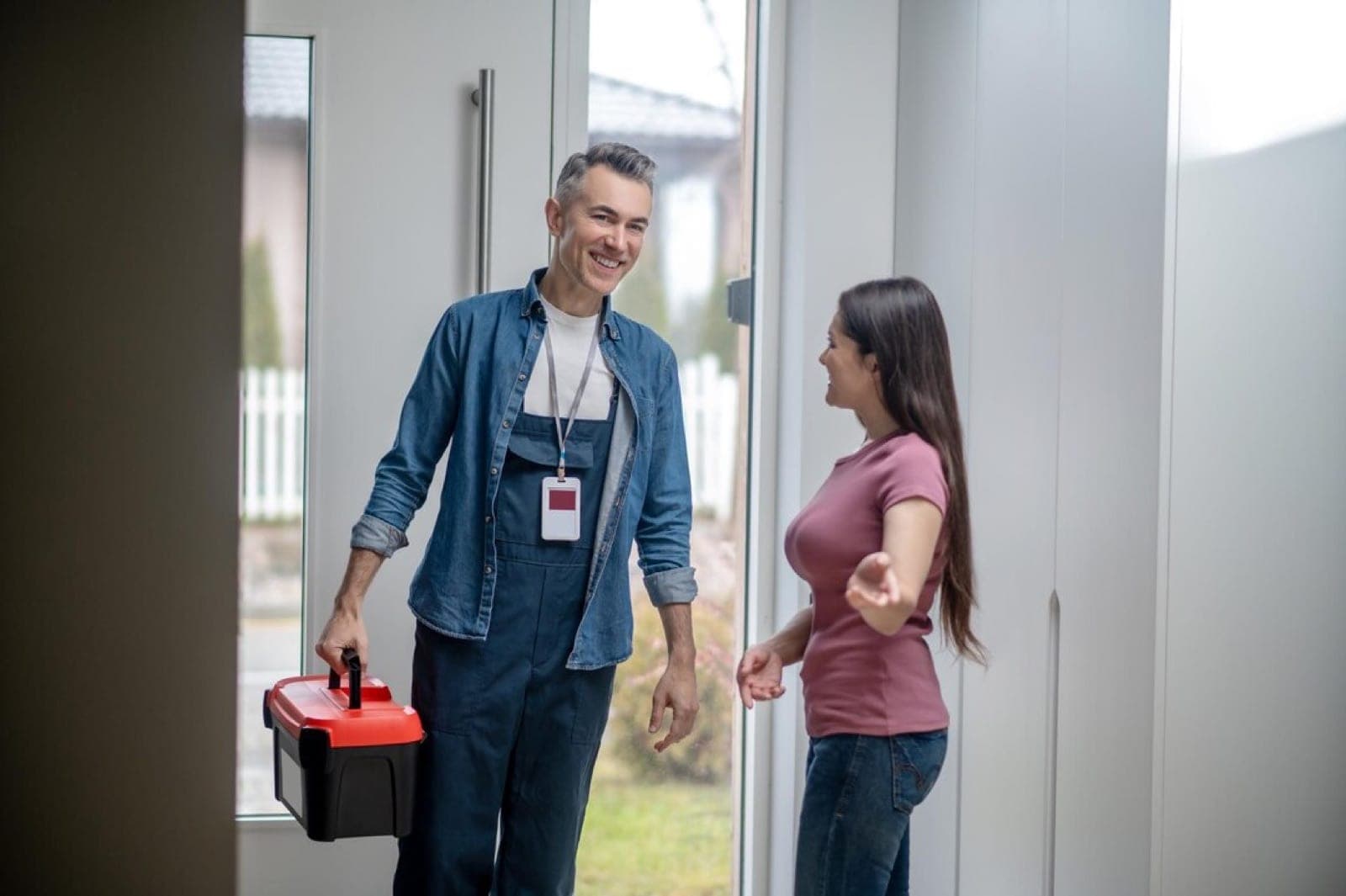
Someone else runs the machines. The machines are still there. A third party installs the equipment, maintains it, and collects on it. For the property, that is a real reduction in day-to-day involvement, and it is why so many buildings run this way.
WHAT THE VENDOR TAKES ON
- Installation
- Maintenance and repairs
- Payment systems and usage tracking
WHAT IT DOES NOT CHANGE
- Residents still walk to a machine and wait on a cycle
- Square footage is still committed to laundry
- The building still has equipment in it, and equipment still has a lifespan
The operator changed. The model did not.
WHY THESE STRUCTURES EXIST
All of these models were built around the same requirement. For most of modern multifamily housing, laundry required machines to exist inside the building. If residents needed to wash clothes, the property needed to provide equipment somewhere on-site. That single requirement shaped every structure. Over time, properties adapted that idea in different ways. But in every case, the foundation remained the same: Laundry was built around physical infrastructure inside the building
Centralized rooms
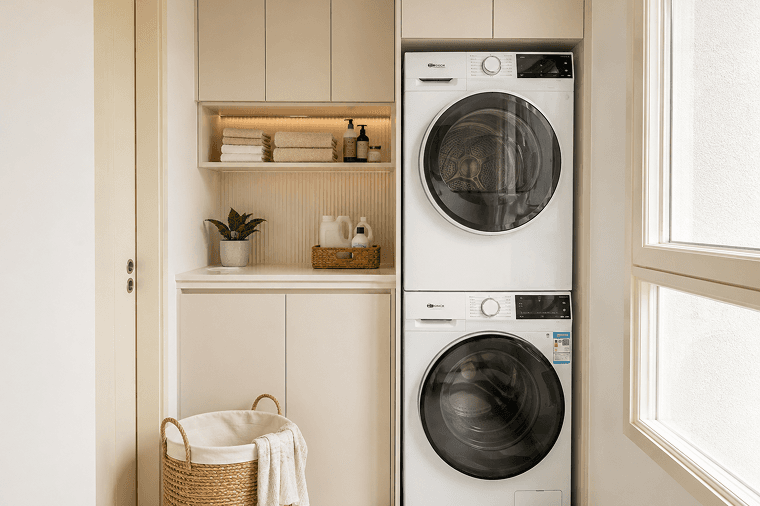
In-unit appliances

Mixed systems
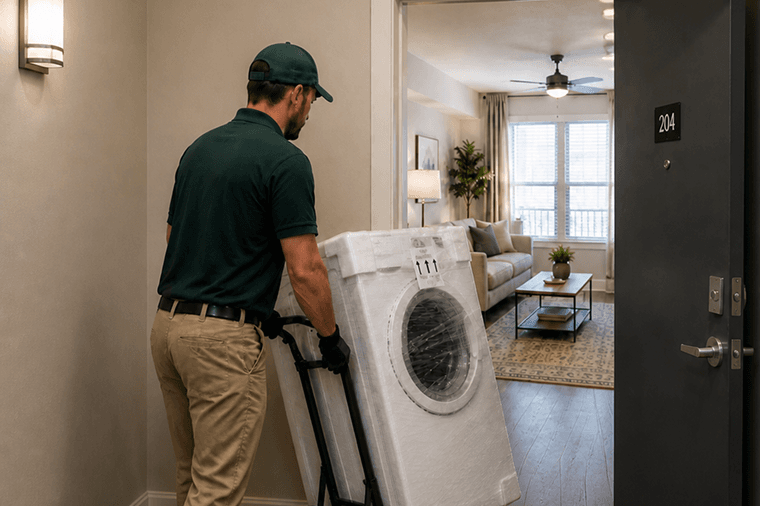
Vendor-operated equipment
Nobody chose this. It was the only option there was..
A STRUCTURE THAT IS BEGINNING TO EVOLVE
The requirement that shaped these systems is starting to change. For decades, laundry needed to exist inside the building. That’s what drove every model that followed. Today, that constraint is beginning to loosen. Instead of focusing on where machines should live, some properties are starting to ask a different question:
Should laundry operate as part of the building, or as a service delivered to residents?
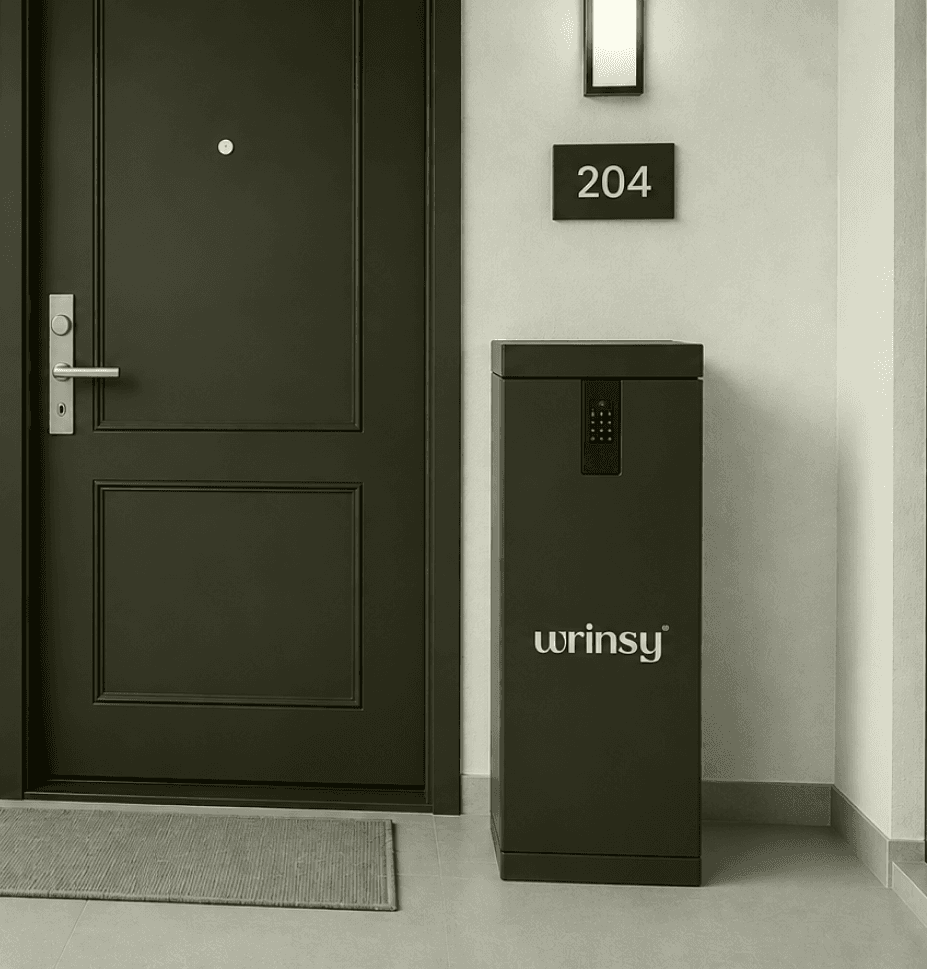
In that model, the building no longer manages equipment directly. Residents interact with the service. The operational work happens outside the property.
One example of this approach is wrinsy, which replaces traditional laundry infrastructure with a managed pickup-and-delivery service designed for multifamily properties.
For many owners, the first step isn’t changing anything. It’s simply understanding how their current structure works and what other options might look like.
Related Resources
View allWHO IS WRINSY
Laundry infrastructure replaced with a fully managed service.
HOW WRINSY WORKS
A structured pickup and return service your staff never has to manage.
FINANCIAL IMPACT
What wrinsy does to NOI, CapEx, and reclaimed space, in plain numbers.