The moment laundry became a real amenity
Equipment cycles, operational friction, resident expectations, and portfolio strategy, the moments that lead owners to rethink whether laundry should stay inside the building.

HOW IT QUIETLY STARTS
Laundry rarely becomes a focus until something begins to change.
Laundry Runs in the Background
- Machines operate
- Residents adapt to the process
- Property teams handle issues as they come up
For most properties, laundry runs in the background. Because of that, it's not something ownership actively rethinks very often.
Eventually somebody asks whether this is still the best way.
THE EQUIPMENT CYCLE MOMENT
At some point, every property reaches the same decision.
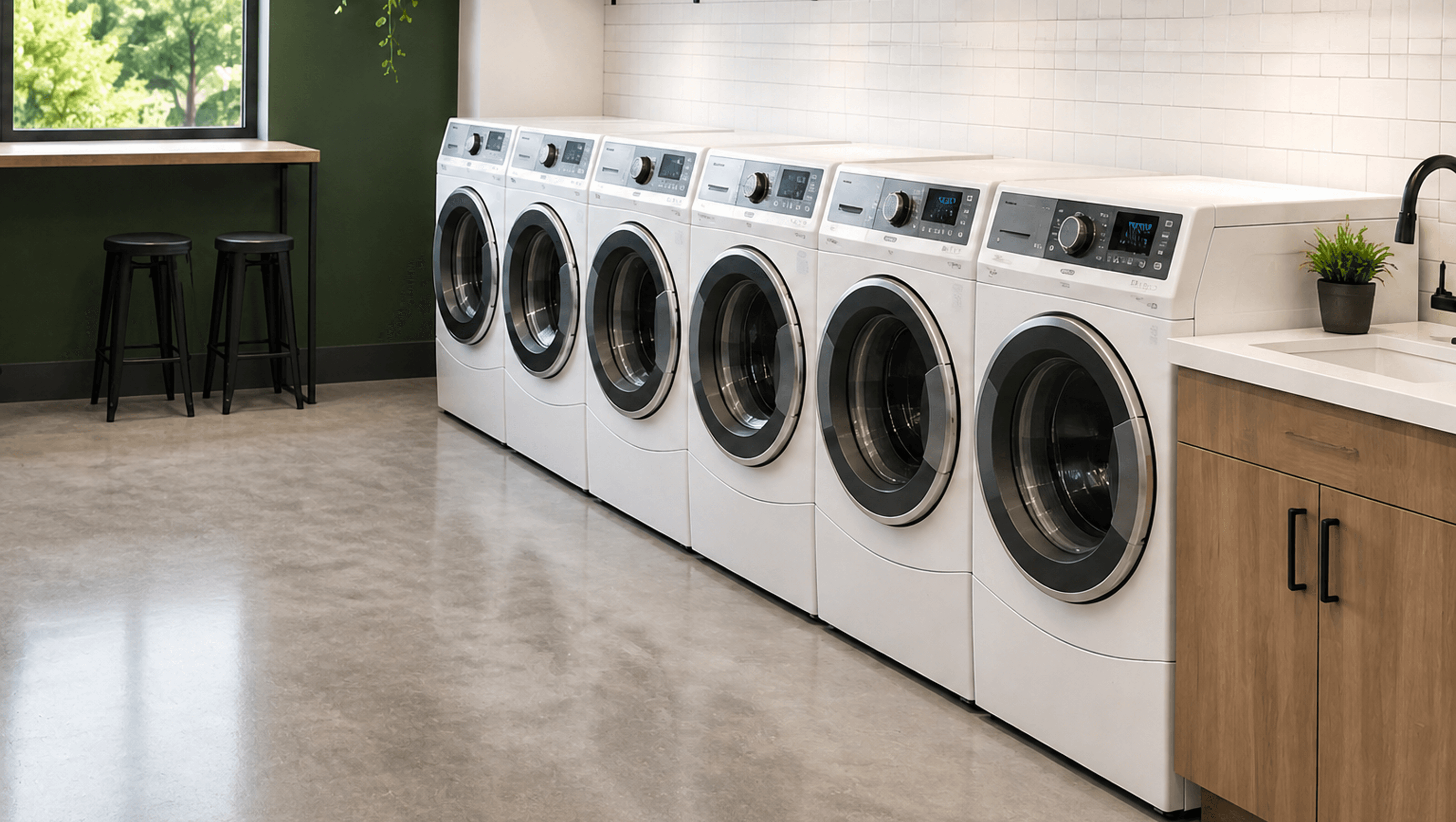
Laundry equipment doesn't last forever. Over time, repairs become more frequent. Performance declines. Replacement becomes unavoidable. Eventually, ownership is faced with a familiar choice: Replace the machines again, or step back and reconsider the system itself. Historically, most properties replace the equipment and continue operating the same model. It works. But it also resets the same cycle into the future.
Should laundry continue to live inside the building at all?
THE OPERATIONAL FRICTION MOMENT
Sometimes the shift begins with small, recurring interruptions.
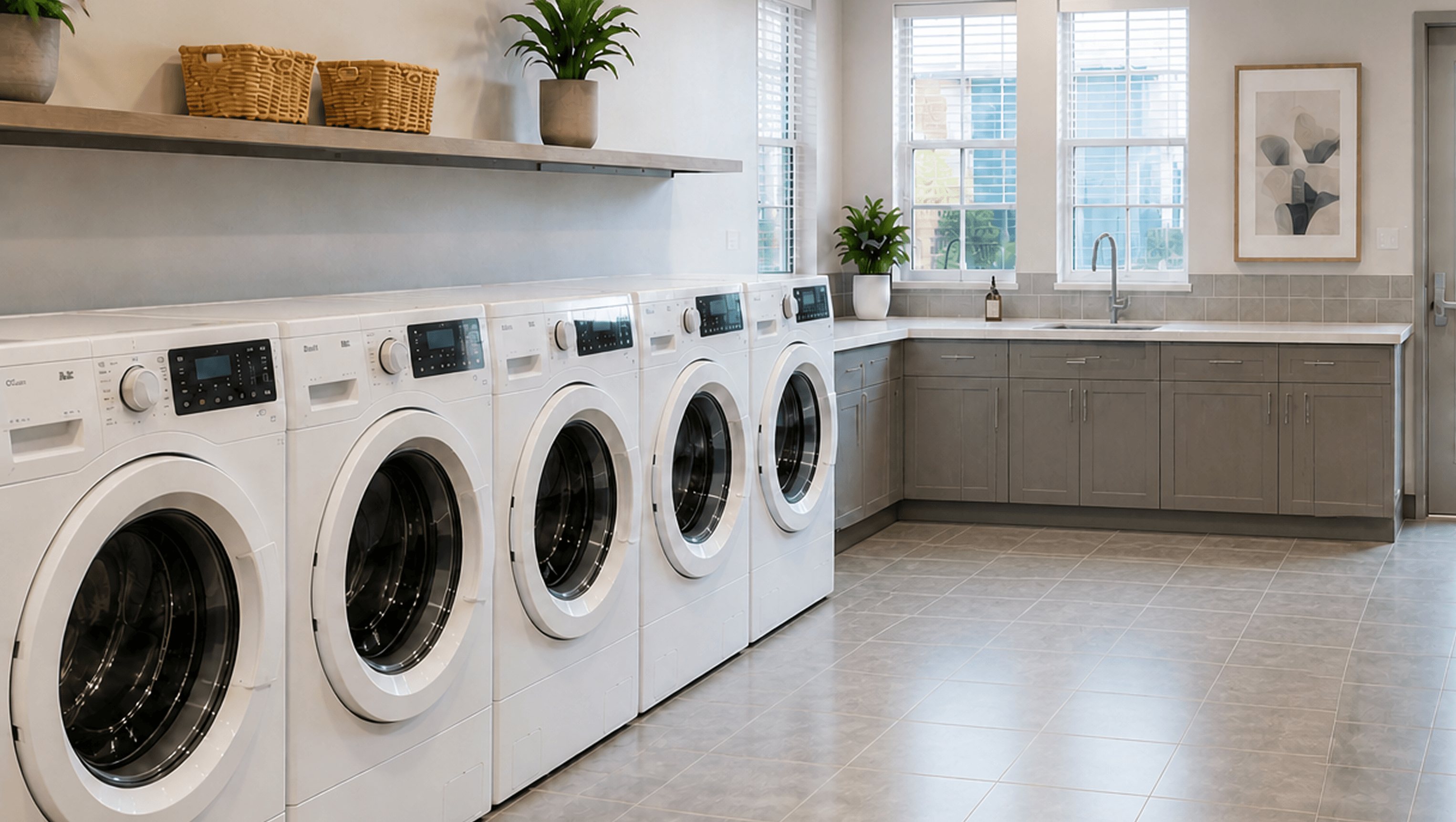
Laundry systems create a steady amount of operational activity inside a property. It's not overwhelming, but it shows up consistently.
- Maintenance tickets when machines stop working
- Resident feedback around availability or performance
- Time spent coordinating repairs or managing vendors
None of these issues are major on their own. But they don't go away. Eventually, the pattern becomes more visible. Laundry continues to require attention, without meaningfully improving the resident experience. That realization is often what prompts a closer look at whether a simpler model could work.
THE OTHER WAY IT COMES UP
Sometimes it is not a machine that starts the conversation. It is everything around it.
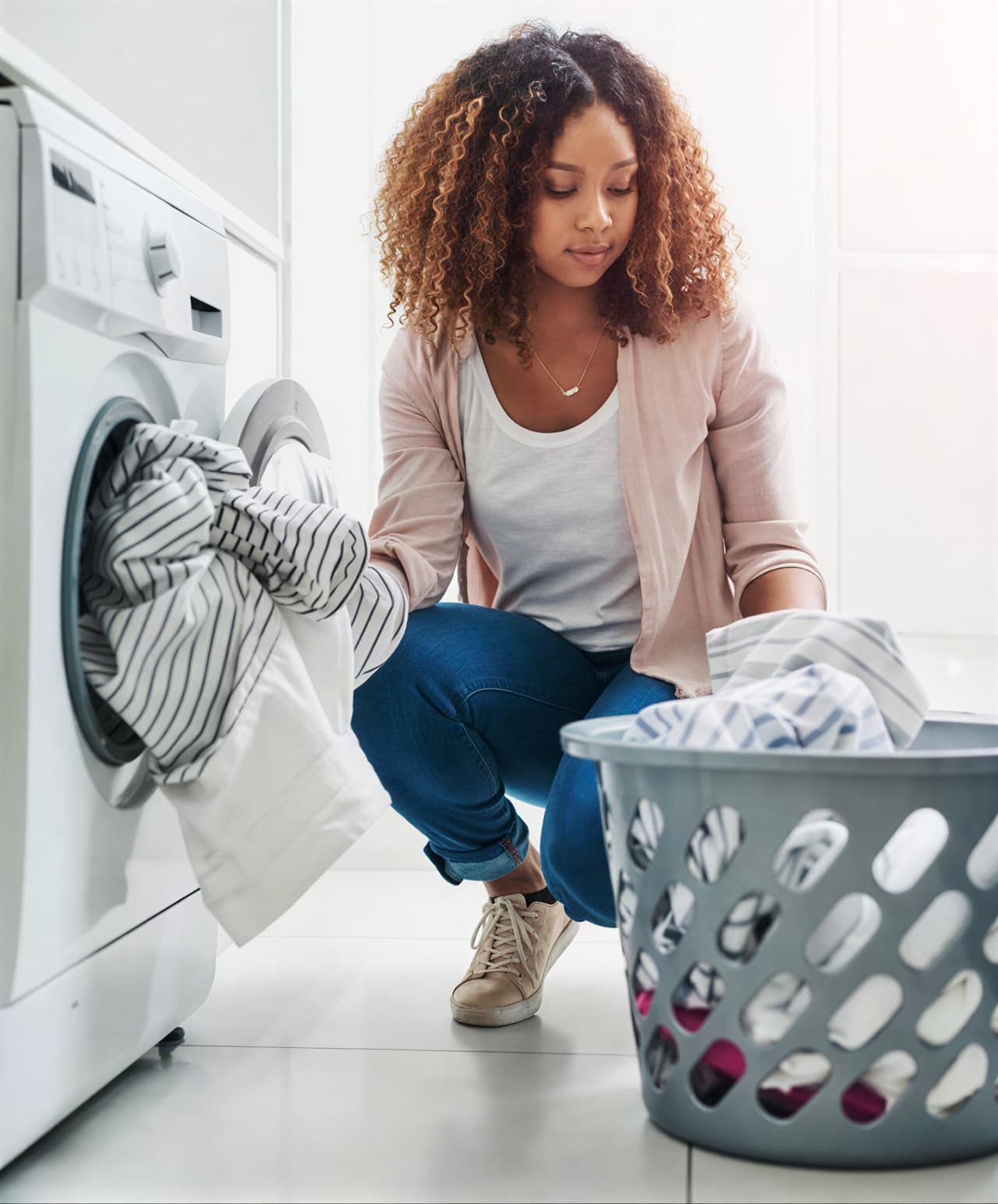
RESIDENTS ALREADY LIVE THIS WAY
- Transportation arrives when they ask for it
- Food arrives on demand
- Packages are handled without them being home
Their week has been rebuilt around services that adapt to them, one category at a time.
LAUNDRY IS THE ONE THAT DID NOT
- Trips to a shared room
- Waiting on a wash cycle to finish
- Losing a Saturday hoping for a machine that works
When a property modernizes everything else, laundry stands out. Not because it broke, but because nothing about it has adapted.
THE PORTFOLIO MOMENT
At one property, laundry is a small system nobody thinks about. Across twelve, it is a pattern.
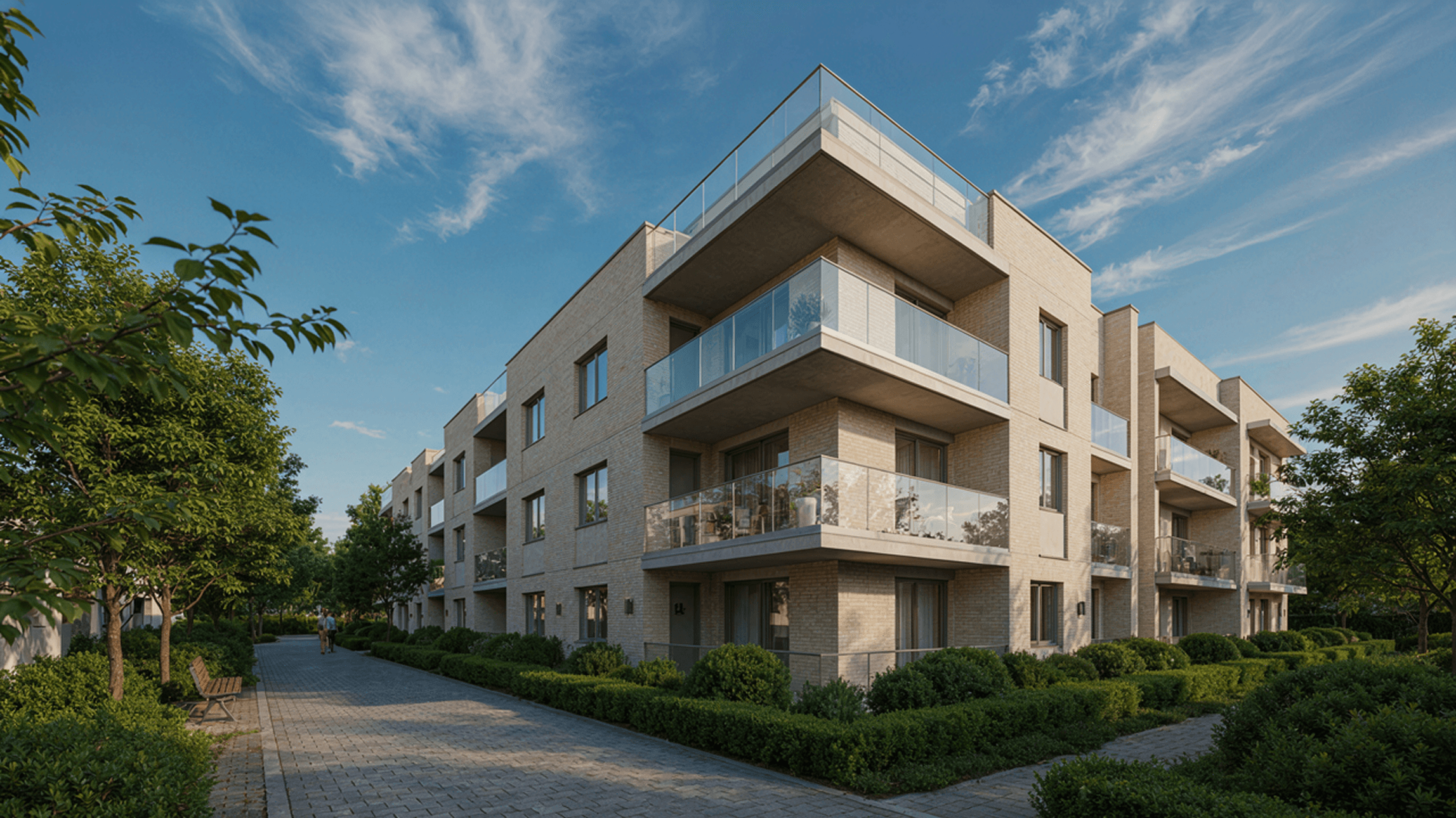
THE SAME FOUR THINGS, EVERYWHERE
- Maintenance cycles
- Vendor coordination
- Resident friction
- Equipment replacement decisions
One property has a laundry problem. A portfolio has a laundry policy, whether anyone wrote one or not. That is when the question changes. Not how to manage the machines in this building, but what laundry should be across all of them. Every property has it. Nobody has ever decided it on purpose.
At that level, it stops being an equipment question.
RECOGNIZING THE PATTERN
None of these arrive together. That is why they take so long to notice.

IT SHOWS UP ONE PIECE AT A TIME
- A replacement decision appears
- Operational friction continues
- Resident expectations shift
- The same thing happens at the property down the road
Any one of them is easy to handle, and that is the problem. Handled one at a time, they never become a decision. Put side by side, they are the same decision four times.
The question was never how to manage laundry better. It is whether it should be yours to manage at all.
TWO DIRECTIONS FROM HERE
Once the question is on the table, there are only two options.
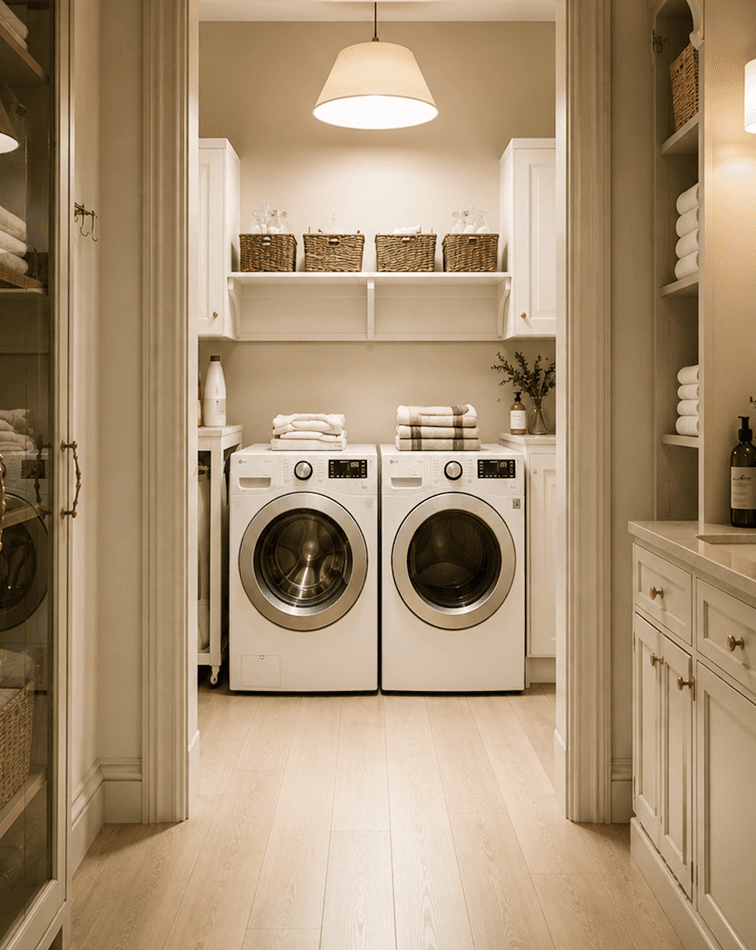
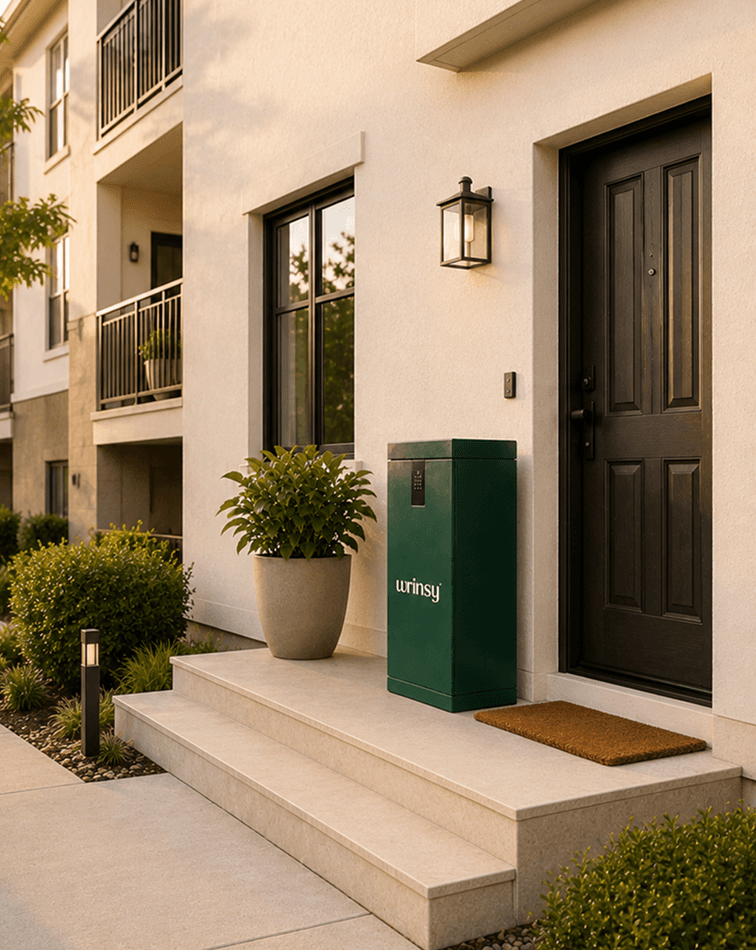
KEEP IT IN THE BUILDING
Machines stay. Replacement cycles continue. Laundry stays tied to equipment, space, and whoever is on site when something fails.
MOVE IT OUT OF THE BUILDING
Laundry happens off-site. The property provides access to the service and nothing else. The operational weight leaves with the machines.
wrinsy is the second one. Managed pickup and delivery, built for multifamily, replacing the machines rather than maintaining them.
Related Resources
View allWHO IS WRINSY
Laundry infrastructure replaced with a fully managed service.
HOW WRINSY WORKS
A structured pickup and return service your staff never has to manage.
FINANCIAL IMPACT
What wrinsy does to NOI, CapEx, and reclaimed space, in plain numbers.