Why laundry is finally changing
Laundry has been part of multifamily housing for decades. What's changing is how it's delivered.
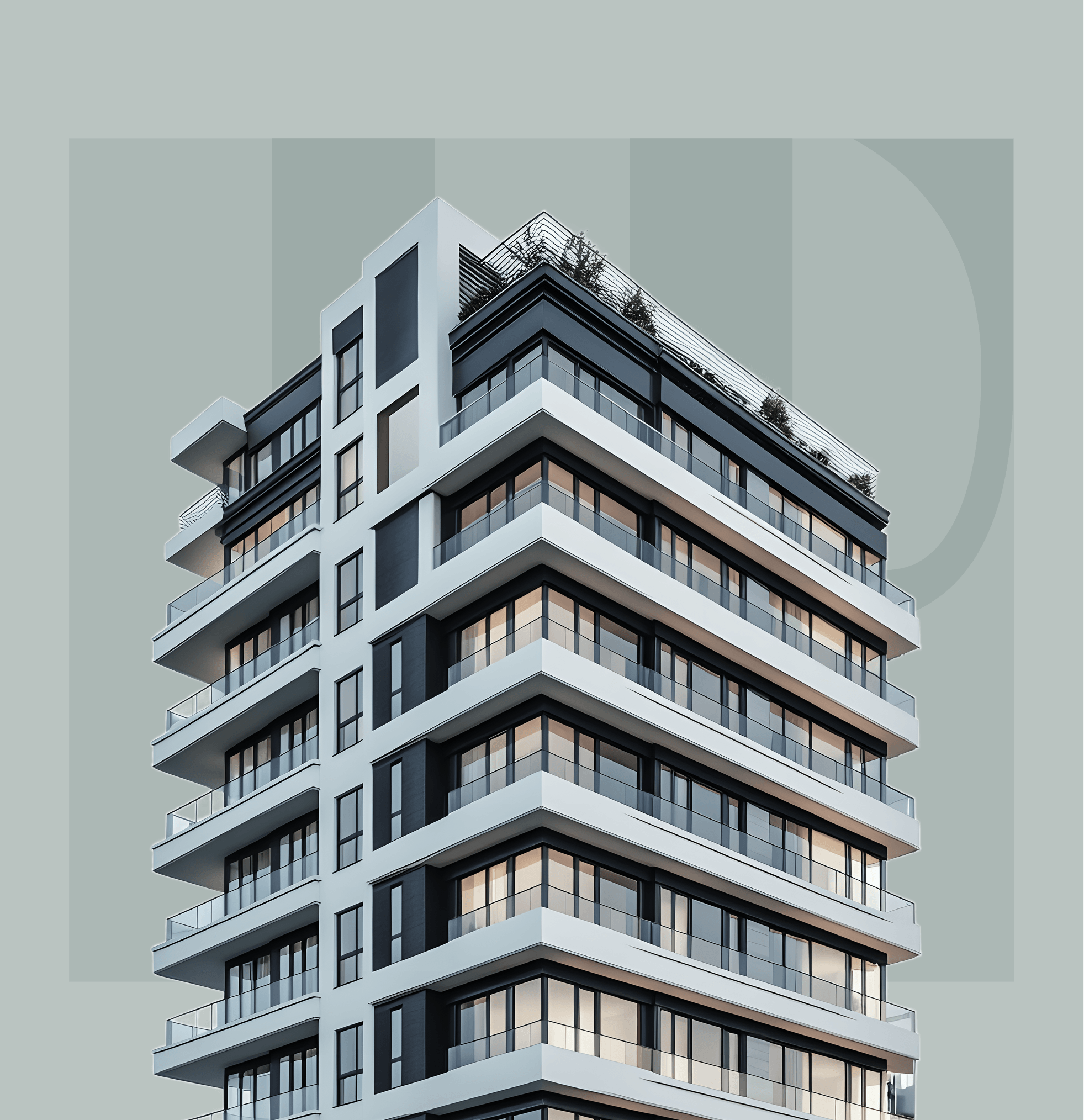
A Quiet but Meaningful Shift
Laundry has been part of multifamily housing for decades. What's changing is how it's delivered.
For years, laundry has been treated as infrastructure inside the building.
- Machines in shared rooms
- Appliances inside units
- Vendor contracts and maintenance cycles
This model has been widely accepted because it worked for a long time. Today, that assumption is starting to change. Not because laundry itself is different, but because the way services reach residents is evolving.

CLOTHES STILL NEED CLEANING
- People will always need clean clothes. That part has never been in question.
- What has changed is that almost everything else gets delivered now.
- Laundry is the last weekly chore that still expects the resident to do it themselves.
How Laundry Has Traditionally Worked
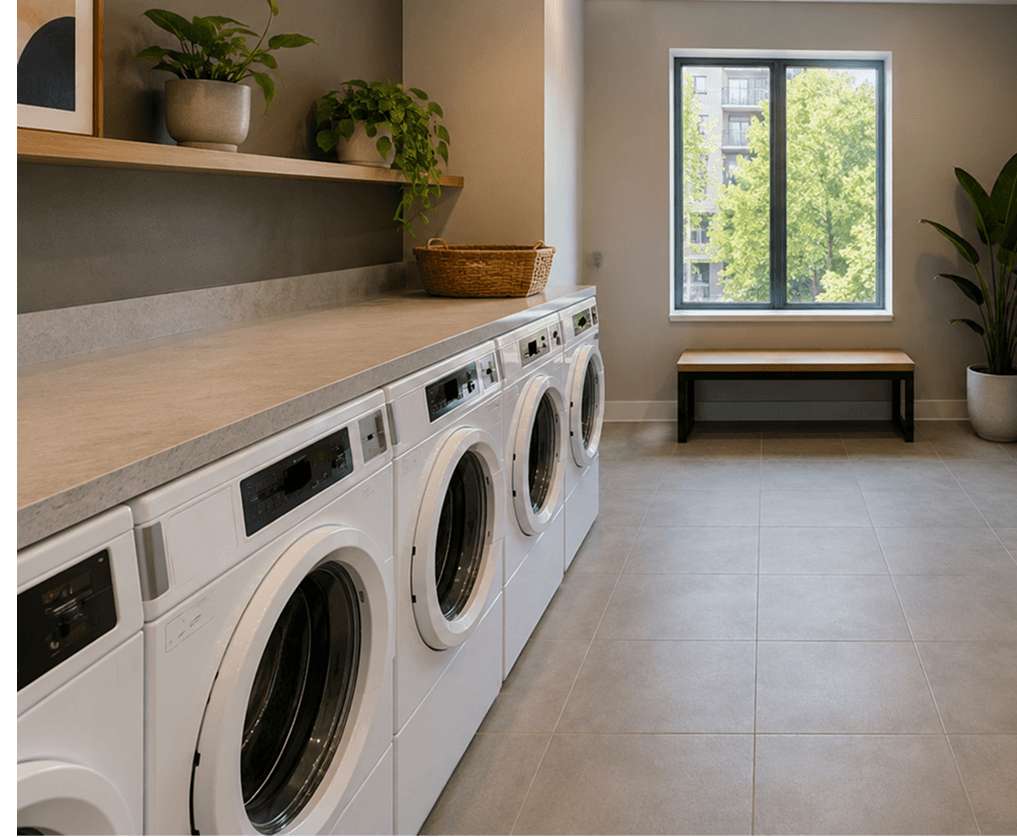
For decades, laundry has been built around machines inside the building.
Laundry is tied to equipment, space, and routine.
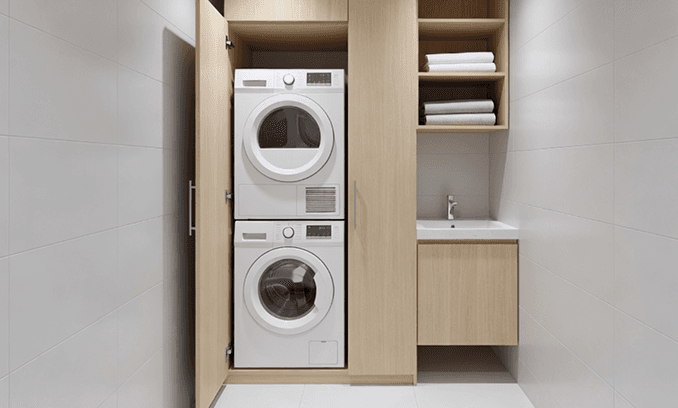
Laundry in multifamily has always followed the same basic structure.
- Machines are installed inside units or shared spaces.
- They're maintained over time.
- Eventually, they're replaced.
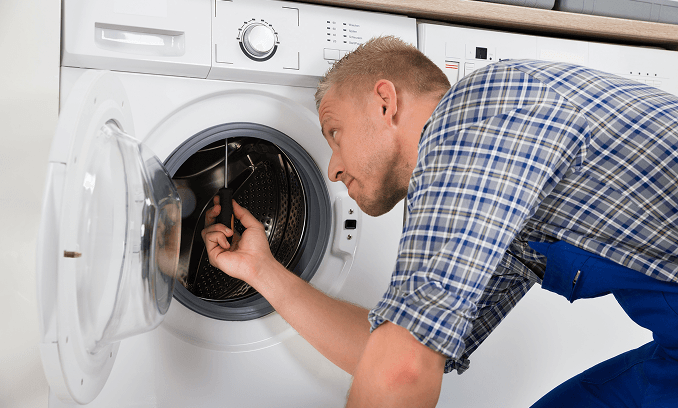
This model shaped how buildings operate.
- Space is allocated for equipment.
- Maintenance becomes part of operations.
- Laundry becomes something residents plan around.
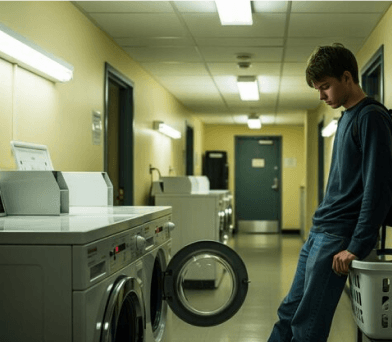
For residents, this typically means:
- Scheduling time around availability
- Waiting for cycles to finish
- Making repeated trips
It's not difficult, but it's rarely convenient.
Services Are Evolving Everywhere
The way services reach people is changing across everyday life.
Many services that once required infrastructure are now delivered differently.
Not because the service changed, but because the delivery model did.
- Transportation shifted to ride-sharing
- Food moved toward on-demand delivery
- Packages are handled through building systems
- Internet is delivered at the building level

What Changed
- In each case, the goal stayed the same. What changed was how the service reached the resident.
- Laundry is one of the few remaining services still built around equipment. That's where the question is starting to change.
- Not how to manage machines better. But whether machines are needed at all.
Where the Model Falls Short
The current model works, but it creates recurring friction over time.
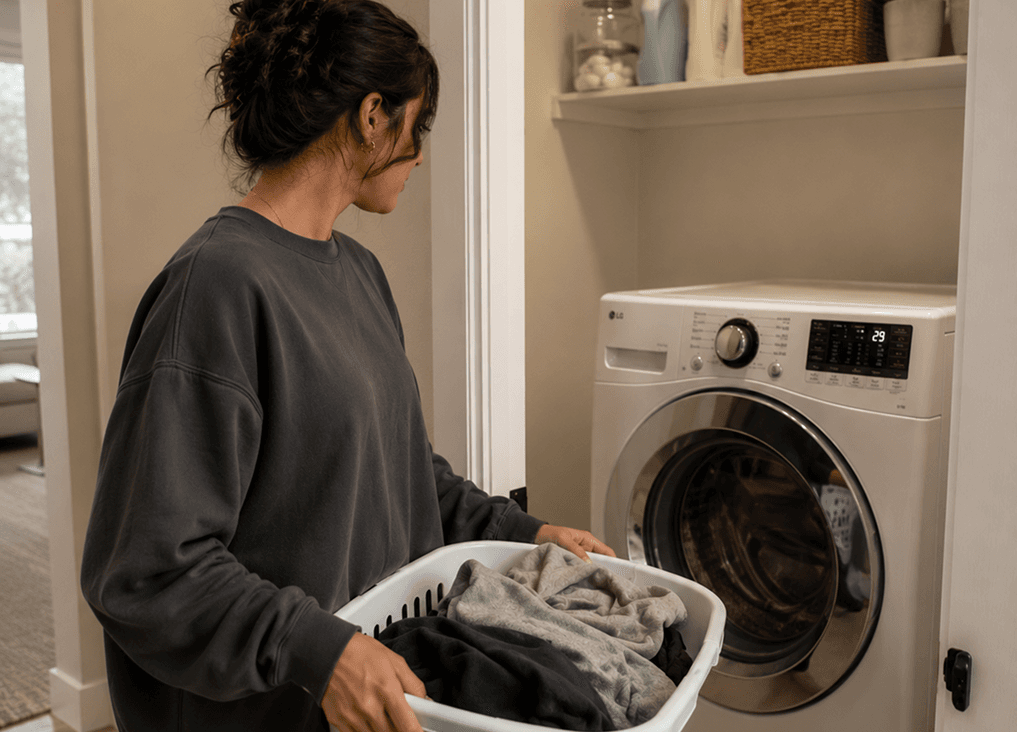
For residents, laundry often requires time and coordination.
- Scheduling around availability
- Waiting for cycles to finish
- Making repeated trips
It's not difficult, but it's rarely convenient.
For property teams, the impact shows up differently.
- Maintenance requests
- Vendor coordination
- Equipment replacement decisions
These responsibilities don't happen all at once, but they come up consistently over time.

WHY THIS IS HAPPENING NOW
Three things are arriving at once.
Equipment Cycles
Laundry infrastructure has always asked for attention on its own schedule.
- Machines need maintenance
- Eventually they need replacing
- Those decisions arrive in cycles, usually at the worst time
Resident Expectations
What residents expect from a week has moved.
- Almost everything else in their life arrives without being arranged
- Fewer hours go into planning around basic tasks
- Laundry is one of the last things that still needs a plan
The Convenience Effect
The distance between those two is what people are starting to notice.
- Laundry still needs coordinating
- Everything around it has stopped needing it
The system has not changed. Expectations have.
A NEW WAY TO THINK ABOUT LAUNDRY
The question is starting to change.
Instead of asking how to manage machines more efficiently, some properties are asking a different question:
Should laundry remain part of the building or should it operate as a service?
That shift changes how the system works. Laundry no longer depends on equipment inside the building. It's handled externally and delivered back to the resident.
The building no longer manages machines. It provides access to the service.
Laundry doesn't disappear. It just moves outside the infrastructure of the building.
WHAT THIS LOOKS LIKE IN PRACTICE
The experience is simple for both residents and property teams.
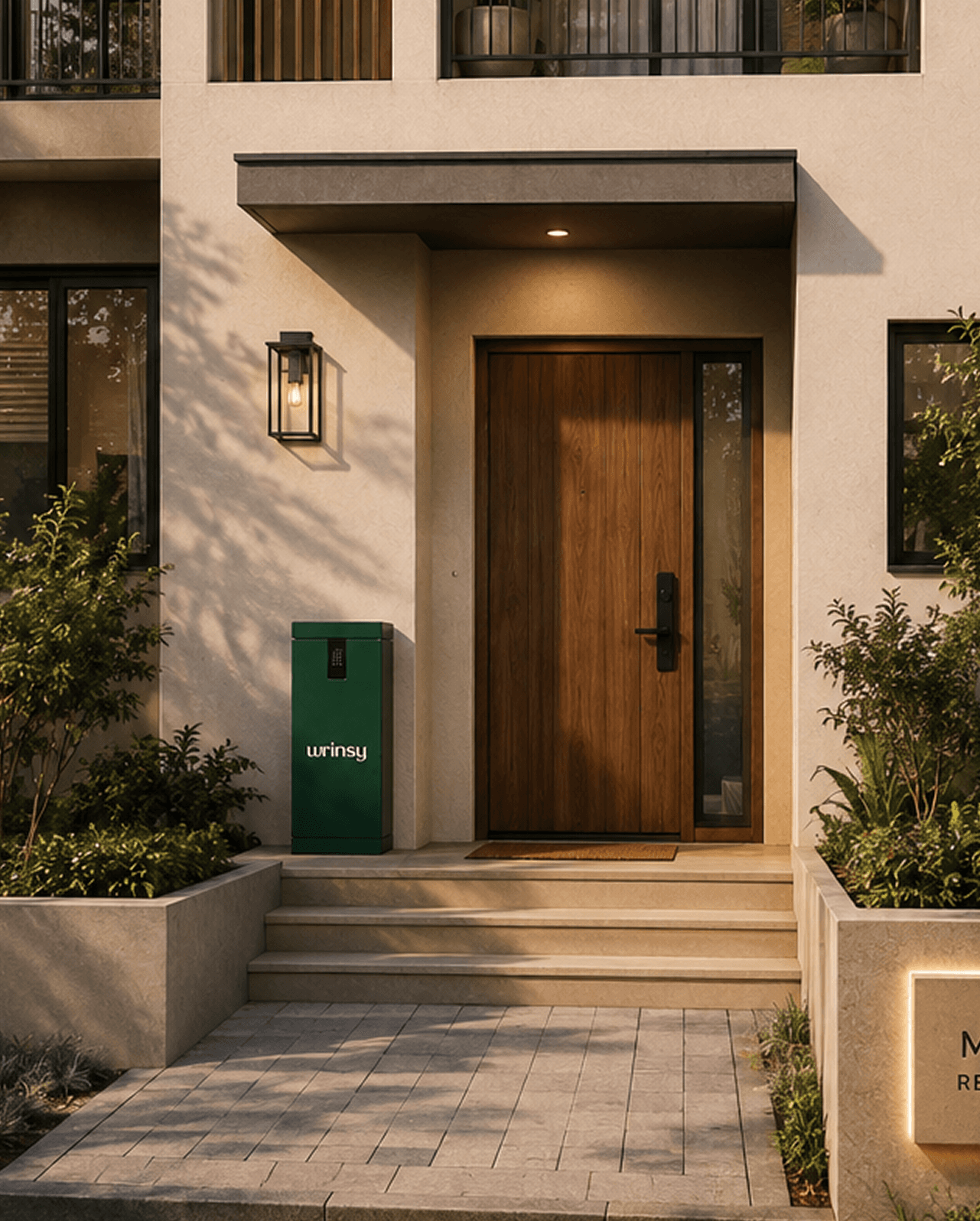
From the resident's perspective, laundry becomes part of their normal routine.
- They place their laundry outside their door.
- It's picked up, cleaned, and returned the next day.
- There's no need to plan around machines or schedule time for it.

From the property's perspective, the shift is just as simple.
- There are no machines to maintain.
- No laundry-related service requests.
- No replacement cycles to plan for.
Instead of managing equipment, the property provides access to the service. The operation runs outside the building, while the experience stays inside it.
WHERE IT IS SHOWING UP FIRST
Not everywhere at once, and not in the same way. It is showing up first where convenience and operations pull hardest against each other.
This includes:
- Conventional housing, where the resident experience is the differentiator
- Student housing, where daily convenience decides a lease
- Workforce housing, where saved time is worth real money
- Build to rent, where in-unit laundry is always assumed
Laundry is no longer being judged as equipment.
Related Resources
View allWHO IS WRINSY
Laundry infrastructure replaced with a fully managed service.
HOW WRINSY WORKS
A structured pickup and return service your staff never has to manage.
FINANCIAL IMPACT
What wrinsy does to NOI, CapEx, and reclaimed space, in plain numbers.