CASE STUDY
Four laundry models, one shared problem: residents still has to do the laundry.

OVERVIEW
The Villas at Town Lake was dealing with a familiar problem: soft occupancy and ongoing concessions. Amenities that looked updated, but didn’t change how people lived. Nothing was broken. But nothing was moving demand.

A mandatory bundled laundry service at $250 PUPM repositioned the property around convenience, not infrastructure.
RESULTS
- Occupancy stabilized in the high 90s
- Waiting lists formed during peak leasing
- Rent growth followed demand, not assumptions
- Laundry rooms were converted into usable space
THIS WASN’T AN UPGRADE. IT WAS A DEMAND DECISION.

THE SHIFT
A different way to think about laundry.

FROM MACHINES TO TIME BACK
This wasn’t just a service change. It changed how residents experienced the property. A fully bundled model replaced inconsistency with something simple:
PROGRAM
- 7-day availability
- 24-hour turnaround
- Flexible scheduling
- Built into the lease (100% adoption)
POSITIONING
- Not “laundry.” Time back. Convenience. Consistency.
We didn’t upgrade laundry. We removed it.
FROM COST TO DEMAND
When the experience improved, demand followed.
WHAT ACTUALLY CHANGED
- Existing: ~$100 PUPM
- New: $250 PUPM
- True shift: +$150 PUPM
This wasn’t starting from zero. It was a repositioning decision.

DEMAND IMPACT
- Leasing conversations became easier
- Prospects brought it up without prompting
- Complaints dropped
- Renewals became less price-sensitive
The property didn’t just improve. It became easier to choose.

INSIGHT
Better experience → stronger demand.
Because it shows up every week, it influences how people decide where to live.

FROM DEMAND TO RENT GROWTH
Once demand showed up, pricing followed.
STRONGER DEMAND TURNED INTO HIGHER RENTS AND STABLE OCCUPANCY
RENT GROWTH
+$125 to +$175 per unit/month
- Driven by demand. Not assumption.
Rent growth followed demand, not assumptions.
OCCUPANCY SHIFT
- Before: mid–high 80s + concessions
- After: high 90s + waiting lists
THE PROPERTY BECAME EASIER TO CHOOSE AND HARDER TO REPLACE.
FROM OPERATIONS TO OPPORTUNITY
Fixing operations unlocked new revenue.
OPERATIONAL IMPACT
- Fewer maintenance issues
- Complaints dropped
- Staff time shifted back to leasing and retention
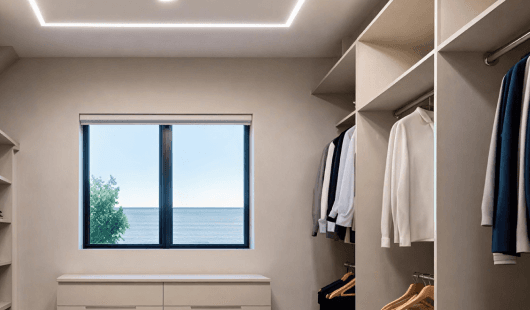
SPACE OPPORTUNITY
- Old laundry rooms became income producing.
WHY IT WORKS
High demand
Low complexity
Recurring revenue
Improves retention
INSIGHT
What used to create complaints now produces revenue.
Underutilized space became a new recurring revenue stream.
THE OWNER PERSPECTIVE
Stop competing on the basics and start creating demand through services residents actually value.

OWNER INSIGHT
“We realized laundry wasn’t free. When we added it up, we were already around $100 per unit. The $250 program didn’t feel like a cost anymore. It created demand. And once demand showed up, we had pricing power.” — Jakob Westervelt
WHAT OWNERS SHOULD KNOW
This works best in competitive markets where differentiation matters. Mandatory adoption is what makes the model work.
Optional models dilute both the experience and the economics. Position it as time back, not laundry. Rent growth follows demand, not the other way around.
Plan for space reuse early. That second layer of value matters.
THE RISK OF COMPETING ON BASICS
- If you keep competing on basic upgrades, you’ll keep relying on concessions.
THE REAL DIFFERENTIATOR
- This is one of the few amenities that changes weekly life. That’s why it changes leasing outcomes.
Related Resources
View allWHO IS WRINSY
Laundry infrastructure replaced with a fully managed service.
HOW WRINSY WORKS
A structured pickup and return service your staff never has to manage.
FINANCIAL IMPACT
What wrinsy does to NOI, CapEx, and reclaimed space, in plain numbers.